
Usually, we holiday in Britain at this time of year to celebrate our birthdays, but with so much stormy weather recently, Mr Word Loft and I decided to go abroad.
Our plane landed at Malta International Airport, Luqa, with its skyline of pale ochre buildings glistening as we taxied along the runway.
The name Malta is believed to have originated from the Romans, who referred to it as Melita, meaning “land of honey.” I could see why, especially by the end of our stay, as the majority of the Maltese archipelago’s architecture is constructed with the pale yellow limestone.
On the way to our hotel in Bugibba, I learnt that vehicles travel on the left-hand side of the road and noticed that signs are written only in English. From our accommodation’s terrace at the San Antonio Hotel, views across St Paul’s Bay, to the distant islands of Gozo and Camino, are spectacular, and we couldn’t wait to explore.
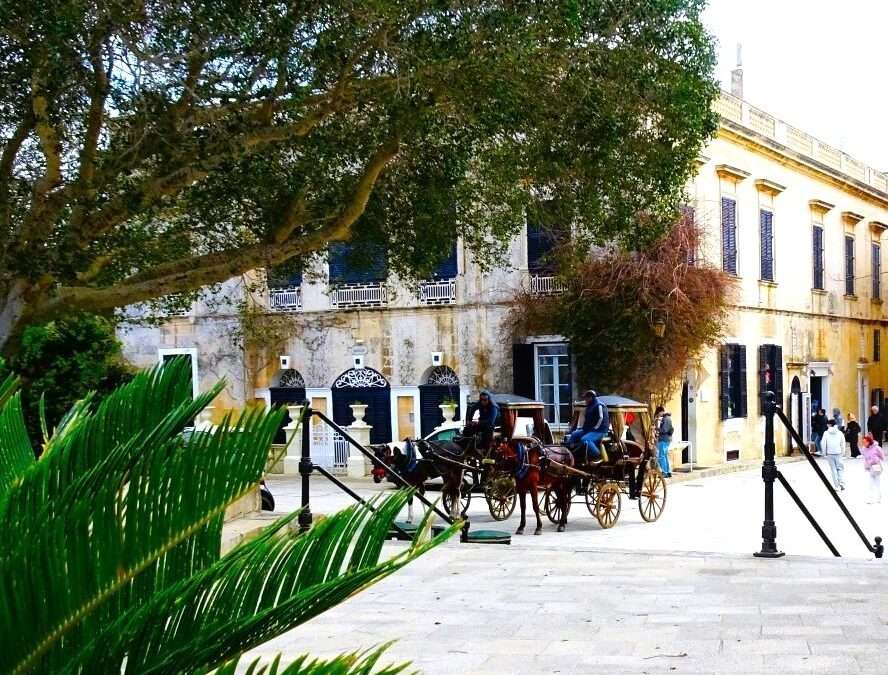
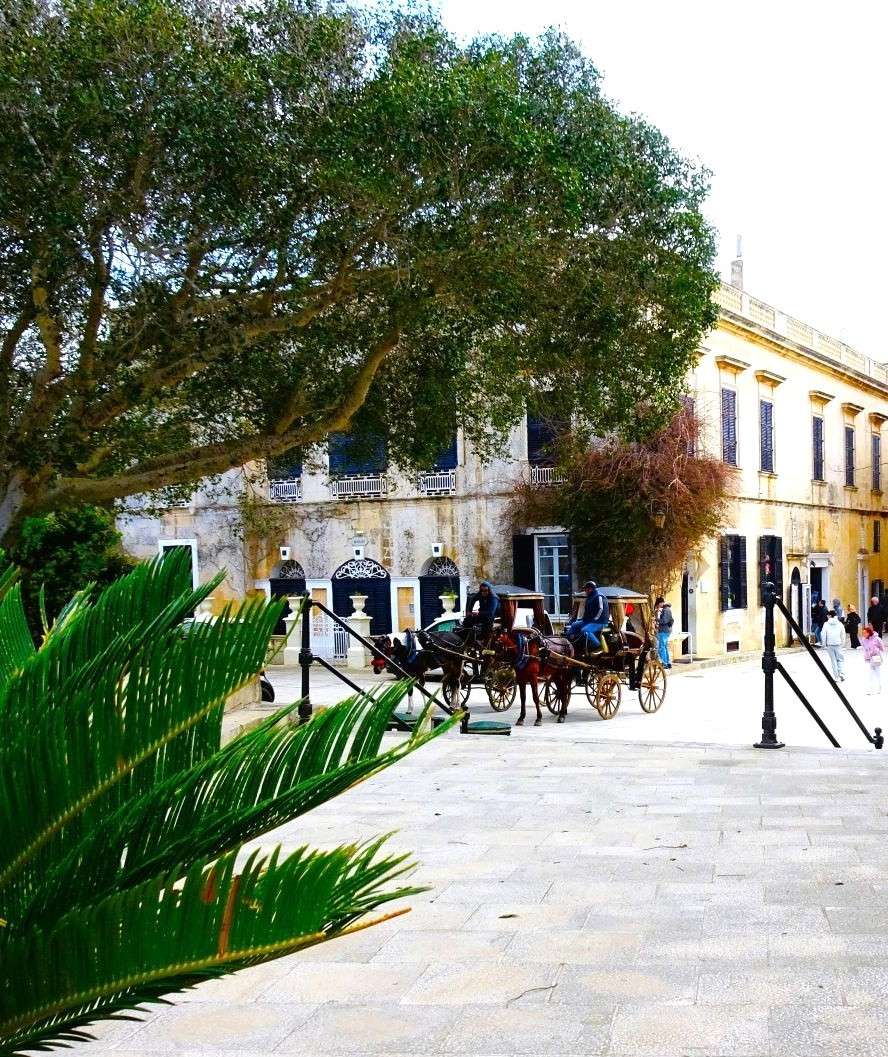
We tried public transport on our first jaunt and travelled to Mdina by bus. Approaching the ancient citadel, the city walls rise majestically on the crest of the hill. Originally, the Medieval stronghold was the capital, but it is now known as the Old City, or the Silent City, because it emanates tranquillity and is car-free.
On the other side of the arched entrance, I imagined I had gone back in time. Knights no longer frequent the walkways, where edifices are dotted with coats of arms, but horse-drawn carriages clip-clop along the thoroughfares, taking tourists on guided tours.
St. Peter’s Benedictine Monastery offers an insight into the life of a religious vocation, showcasing the nuns’ dormitory, laundry, and various other rooms used for daily tasks, as well as the chapel. The building was founded in the 15th century, but was rebuilt in the 1600s. Pictures and artefacts adorn the quarters, and some of the displays in glass cabinets are embellished with intricate flowers made with wire, silk, beads and pearls, a traditional Maltese craft called Ganutell.
There is much to see in a day. Walking around the perimeter, admiring countryside vistas from the top, before traversing avenues, ensures nothing is missed.
The Cathedral of St Paul was extended after an earthquake damaged Mdina in 1693. The grand structure is Baroque with bell towers and a dome, while the interior is rich with colourful frescoes.
Nearby is the Archbishop’s Palace, whose ornate doorway faces the square courtyard, where, underfoot, a huge black and white Maltese Cross is fashioned with tiles.
Villegaignon Street cuts right through the core, leading to areas housing restaurants, cafés and gift shops, especially those selling handmade glassware. I was in my element and on the lookout for an ornament for our travelogue Christmas tree, but ended up buying an artisan creation in pink and purple for our mantlepiece collection instead. I did eventually find a festive trinket on another outing, but I’ll tell you about that in a later blog post.
Until then,
Best wishes,
Sue. X
Magical Malta - Mdina